Featured Posts

Five stories about our new fixationsFive stories about our new fixations This week I was invited to give a presentation at Social Strategy Talk in Amsterdam. The theme was "bizarre stories" and I was amazed by the inspiring (and personal) stories that were shared by my fellow...

Read more

What's up with TEDx in 2010?What's up with TEDx in 2010? This week at a partnermeeting I had the pleasure to announce that the second edition of TEDxAmsterdam will take place in the Stadsschouwburg in Amsterdam. On 30 November 2010, the stage of this beautiful...

Read more

Future of publishingFuture of publishing Last week I was one of the keynote speakers at InCTformatie, the annual conference for publishers in The Netherlands. As part of my talk was this video about "the end of publishing". Lot of people felt...

Read more

My talk at NEXT10 in BerlinMy talk at NEXT10 in Berlin Last week I was in Berlin attending and speaking at the NEXT-Conference 2010. Other speakers included Stowe Boyd, Andrew Keen and Cindy Callop. I was in the track "openess" together with Steve Rubel. Some...

Read more

When Twitter turned mainstream (actually on 9 December 2009)
Posted by Jim Stolze | Posted in english, tools, trends | Posted on 27-12-2009

Tags: , ,

2

A few years ago I had the pleasure of spending some time with Biz Stone, one of the founders of Twitter. In 2007 his biggest concern appeared to be hardware: “How can we keep on growing like this when everytime we plug in another machine the website is down?”

The moment when Twitter got mainstream.Few years later it’s amazing to see how fast the website has grown and how little downtime their is nowadays. A series of smart moves (among them: buying summize.com instead of building their own search application) later, Twitter seems to have shifted from “What are you doing” to “What’s happening”.

My guess is that this is the result of Twitter becoming mainstream. It used to be a tool for modern -look at me-marketeers, but it’s becoming more and more a tool for civil reporting. Thus, the question: “what’s happening?” can be easily answered -in realtime- on Twitter.

That’s why I like to state that Twitter became mainstream on 9 December 2009, the moment they changed from What Are You Doing to What’s Happening.

When I was at TED earlier this year in Long Beach, the other founder (Evan Willliams) gave this presentation. Which eventually lead

Bookmark and Share

你会怎样做,如果没有互联网?

Posted by Jim Stolze | Posted in ted.com | Posted on 22-12-2009

Tags: , ,

1

Last month I discovered a brilliant blogpost by Dapenti about my talk at TED 2009. He translated my talk in Chinese, which resulted in a peak of traffic on my website :-)

So, please be welcome visitors from China! Here’s the video, plus the translation by Dapenti:

如果没有互联网,你还能活吗?

问问自己这个问题。你能离开互联网一天,一个星期,一个月或更长吗?你会去做什么?

我问了一个也在TED演讲的同事-Seth Godin,他回答说:这个问题我考虑过,我会去开一家餐馆。这个答案不错,难道他识破了我的阴谋?呵呵。之所以问这个问题,是因为我自己在2008年 12月的一整月里完全离开了互联网。没有谷歌,没有电子邮件,没有浏览网页,什么都没有。

这是我做过的最有趣的事儿了,…至少在第一个星期里我这样觉得。真的很有趣,很滑稽,大家开始给我写信(手写在纸上的),玩儿各种恶作剧(比如把我的键盘和鼠标藏起来)。

Bookmark and Share

Hans Aarsman over fotografie

Posted by Jim Stolze | Posted in tedxamsterdam | Posted on 14-12-2009

Tags: , ,

0

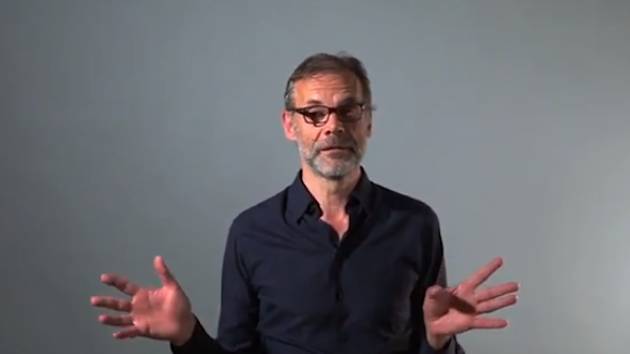
Een van de helden op TEDxAmsterdam afgelopen maand was Hans Aarsman. Zijn unieke kijk op fotografie in combinatie met zijn heerlijk authentieke manier van vertellen zorgden voor een ontspannen sfeer waarin veel gelachen werd.

Knap hoe Aarsman van ‘doodgewoon’ toch kunst weet te maken. Wars van esthetiek of geforceerd mooi maken.

Bookmark and Share